
The AI glasses market is evolving quickly. Thanks to advances in Artificial Intelligence, Natural Language Processing, and Wearable Technology, smart glasses can now translate conversations, answer questions, record videos, and provide hands-free access to information.
For distributors, retailers, and brand owners, choosing the right AI glasses is often more important than choosing the most advanced AI glasses. A successful product is one that matches the needs of its target customers.
This guide will help you understand how to customize AI glasses based on different markets and business goals.
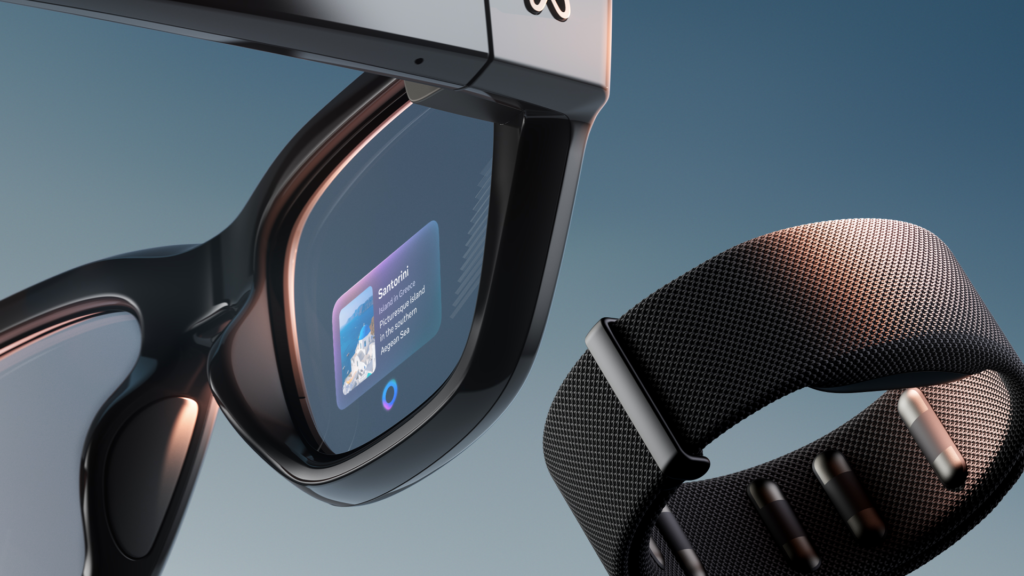
Start with Your Customer, Not the Specifications
Many buyers begin by comparing processors, battery capacity, or camera resolution. While these specifications matter, they should not be the starting point.
Instead, ask who will use the glasses.
A travel company may need real-time translation. An outdoor brand may care more about video recording and battery life. A consumer electronics retailer may want a product that appeals to a broad audience and works seamlessly with smartphones.
The better you understand your customer, the easier it becomes to select the right features.
Choose the Right AI Glasses Category
AI Translation Glasses
AI translation glasses are designed to break language barriers. By combining speech recognition and machine translation technologies, they allow users to communicate naturally in different languages.
These products are especially popular among travelers, international business professionals, students, and tourism companies.
If your market involves frequent cross-border communication, translation glasses are often the safest place to start.
AI Audio Glasses
AI audio glasses combine open-ear speakers with voice assistant functions. Users can listen to music, answer calls, and interact with digital assistants without blocking environmental sounds.
This category appeals to everyday consumers and lifestyle-focused brands because it offers a familiar user experience while adding smart functionality.
AI Camera Glasses
Camera-enabled AI glasses allow users to capture photos and videos from a first-person perspective. They are popular among cyclists, travelers, outdoor enthusiasts, and content creators.
For this category, image quality and user experience are usually more important than advanced AI functions.
Which Product Fits Your Market?
| Target Market | Recommended Product | Main Selling Point |
|---|---|---|
| Travel Industry | AI Translation Glasses | Real-time communication |
| Business Professionals | AI Translation Glasses | Multilingual meetings |
| Lifestyle Consumers | AI Audio Glasses | Music and voice control |
| Outdoor Sports | AI Camera Glasses | Hands-free recording |
| Content Creators | AI Camera Glasses | First-person video capture |
| Consumer Electronics Retailers | AI Audio Glasses | Broad market appeal |
Frame Design Matters More Than Many Buyers Expect
Consumers often notice the frame before they notice the technology.
A premium frame design can significantly improve perceived value and help a product stand out in a crowded market.
Business-style frames work well for translation glasses and productivity-focused products. Sports frames appeal to active users who prioritize comfort and stability. Sunglasses-style designs are often the most versatile because they fit a wider range of consumer lifestyles.
For many private-label projects, frame appearance can influence purchasing decisions just as much as technical specifications.
Hardware Features Worth Customizing
Not every component needs to be redesigned. In fact, most successful projects focus on a few high-impact customizations.
| Feature | Recommended for Customization |
|---|---|
| Brand Logo | Yes |
| Packaging Design | Yes |
| Frame Color | Yes |
| Mobile App Branding | Recommended |
| Voice Assistant Settings | Optional |
| Hardware Structure | Advanced ODM Projects |
For most distributors and e-commerce sellers, branding, packaging, and app customization provide the best balance between investment and differentiation.
Software Is Becoming a Competitive Advantage
As hardware becomes increasingly standardized across the industry, software is becoming one of the most important ways to build a unique product.
A custom mobile application can strengthen brand identity and improve customer loyalty. Customized translation interfaces can create a better experience for international users. Branded startup screens and user interfaces can help make a product feel exclusive without increasing hardware costs.
Many successful AI glasses brands differentiate themselves through software rather than hardware alone.
Choosing the Right Level of Customization
Different businesses require different levels of customization.
| Customization Level | Best For | Typical Modifications |
|---|---|---|
| Private Label | New Brands | Logo, packaging, manuals |
| Semi-Custom | Growing Distributors | Frame colors, app branding |
| Full ODM | Established Brands | Hardware and software redesign |
Most companies begin with private-label products and gradually move toward deeper customization as their business grows.
Why Work with a Specialized AI Glasses Manufacturer?
Many well-known brands such as XREAL, Rokid, and RayNeo focus primarily on selling their own branded products. While these companies lead innovation in the smart glasses industry, they generally offer limited support for OEM and private-label projects.
For businesses looking to build their own brand, working directly with a specialized manufacturer is often a more practical solution.
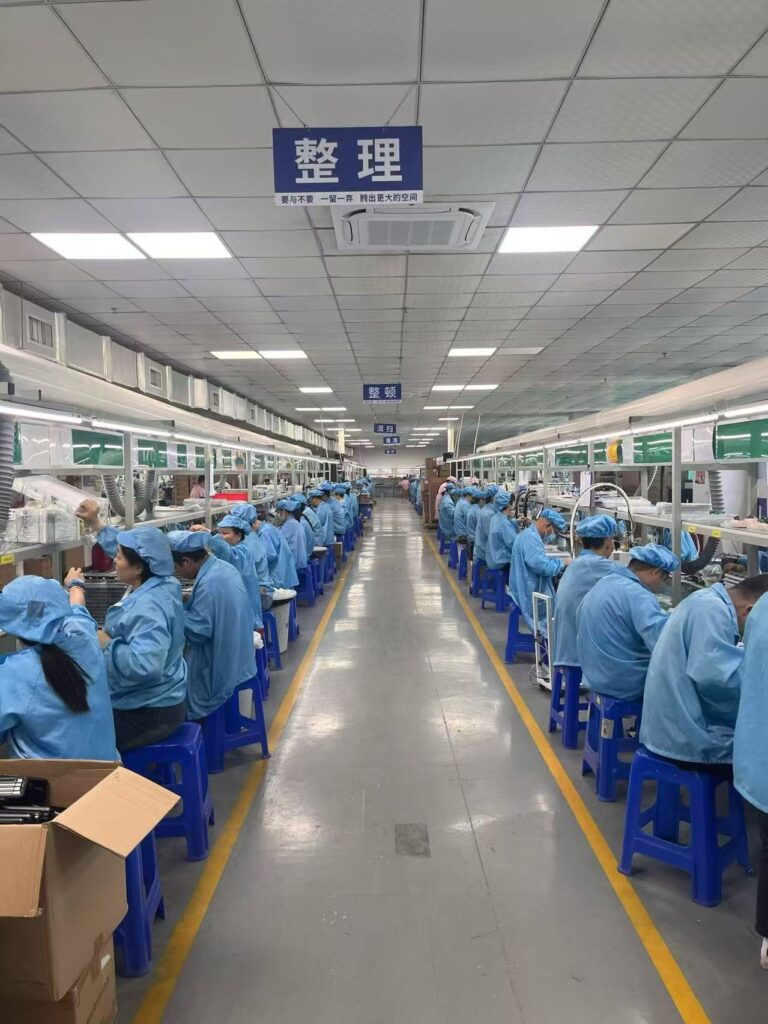
Huahai Future Smart Glasses specializes in OEM, ODM, and private-label AI glasses manufacturing. Our product portfolio includes AI translation glasses, Bluetooth audio glasses, camera smart glasses, and customized software solutions.
From logo printing and packaging design to mobile application customization and mass production, we help distributors, retailers, e-commerce sellers, and startups bring AI glasses products to market faster and more efficiently.
Learn more about technologies related to Smartglasses, Computer Vision, Speech Recognition, and the future of Augmented Reality as the industry continues to evolve.

Final Thoughts
The best AI glasses are not necessarily the ones with the most features. They are the ones that solve the right problem for the right customer.
By understanding your market, selecting the appropriate product category, and choosing a customization strategy that fits your business stage, you can create a more competitive product and build a stronger position in the growing AI eyewear market.