

Most companies that end up selling smart glasses didn’t start in electronics. This case follows a Cambodia-based apparel trading and offline retail business testing an entirely new product category, with a first order small enough that a weak market response wouldn’t have been a costly mistake.
Quick Answer
A Cambodia-based apparel trading company with no prior smart hardware experience ordered 50 units of HuaHai’s smart cycling glasses to test the category through its offline channels in Cambodia and its existing customer network in Iraq. Feedback on the cycling model has been positive, and the client is now sampling two camera smart glasses models to evaluate a further product line. The project remains in the market-validation stage; future order volume depends on results from both markets.
Key Takeaways
- The client had zero prior experience with smart glasses and started with a 50-unit sample order, not a full production run.
- HuaHai recommended an existing, proven cycling model rather than a custom build, specifically to keep the first order low-risk and fast to evaluate.
- The client is testing demand in two separate markets at once — local Cambodia retail and its existing Iraq customer base — from the same batch.
- Positive feedback led to the next step: sampling two camera smart glasses models, not an immediate bulk reorder.
Client Snapshot
| Region | Cambodia |
|---|---|
| Business type | Apparel trading and offline retail |
| Product tested | Smart cycling glasses |
| Cooperation stage | First-batch testing / market validation |
| Target markets | Cambodia (local offline channels) and Iraq (existing customer network) |
| Path | Product evaluation → local market testing → customer feedback → repeat-order evaluation |
What Problem Was the Client Actually Trying to Solve?
The client’s core business is apparel trading and offline retail, not electronics. Smart glasses were a completely new category for them, and the real risk wasn’t finding a supplier — it was ordering the wrong quantity or wrong product before knowing whether local customers wanted it at all. Specifically, the client wanted to:
- Choose a smart glasses product actually suitable for a real sales test, not just a spec sheet.
- Get genuine market feedback from a first batch before committing further.
- Promote the product through their existing offline channels in Cambodia.
- Introduce the same product to their existing customer network in Iraq.
- Decide on future purchasing and cooperation based on actual results, not projections.
What they asked HuaHai for, in plain terms, was help reducing upfront inventory and market risk while entering a hardware category they had no prior experience in.
Why Did HuaHai Recommend an Existing Model Instead of a Custom Build?
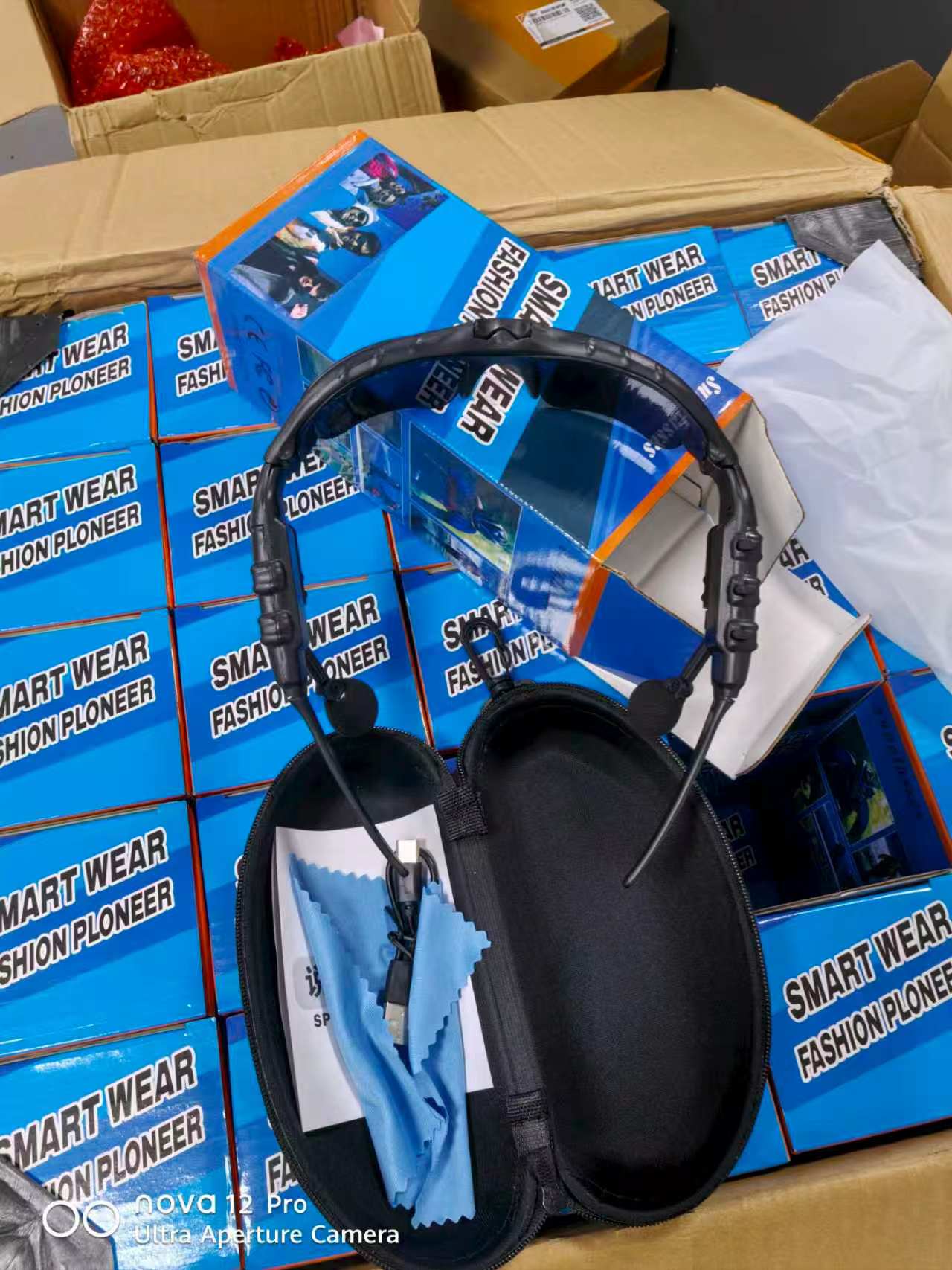
Because the client’s situation called for speed and low risk, not differentiation. A fully custom OEM product would have meant a longer development timeline and a higher minimum order before the client even knew whether cycling glasses would resonate with their customers. Recommending one of HuaHai’s mature, already-proven cycling smart glasses models meant the client could skip product development entirely and move straight to the part that actually mattered for their goal: real customer reactions in their own markets. For readers evaluating this same trade-off, we cover the broader decision in how to start a private label smart glasses line and which factories offer low MOQ for smart glasses.
What Did the Test Process Actually Look Like?
The first batch’s purpose was never to scale purchasing immediately — it was to move the client through a specific evaluation path:
→
Local Market Testing
→
Customer Feedback
→
Repeat Order Evaluation
The client ordered 50 units of the cycling model as this first batch. Throughout the process, HuaHai stayed in direct contact with the client about product usage experience, market feedback, and which other product lines might fit their existing sales channels — rather than treating the sample shipment as the end of the relationship.
How Is the Client Testing Two Different Markets at Once?
After receiving the product, the client began introducing the smart cycling glasses through their existing offline channels in Cambodia, showing them directly to local consumers and business contacts. In parallel, they used their existing business relationships in Iraq to introduce the same product to that customer network, effectively testing interest in two distinct markets from a single 50-unit batch rather than running separate orders for each.
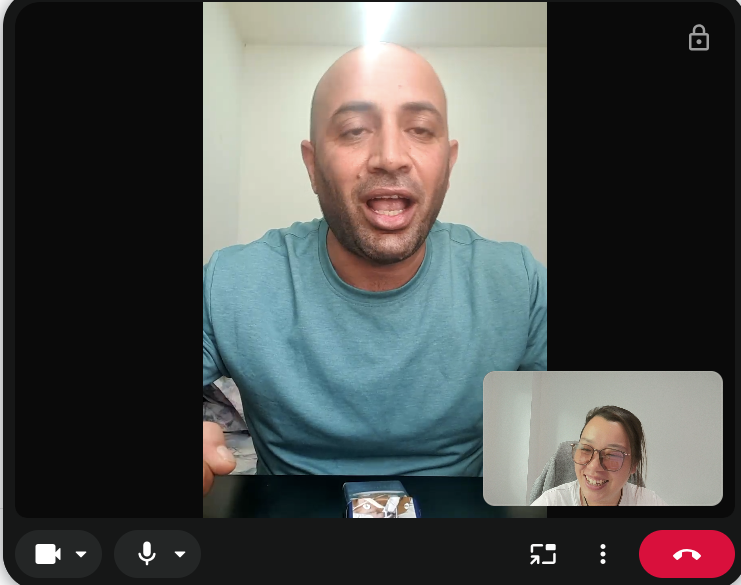
Below, the client shares their own experience with the product after using it:
What Happens Next?
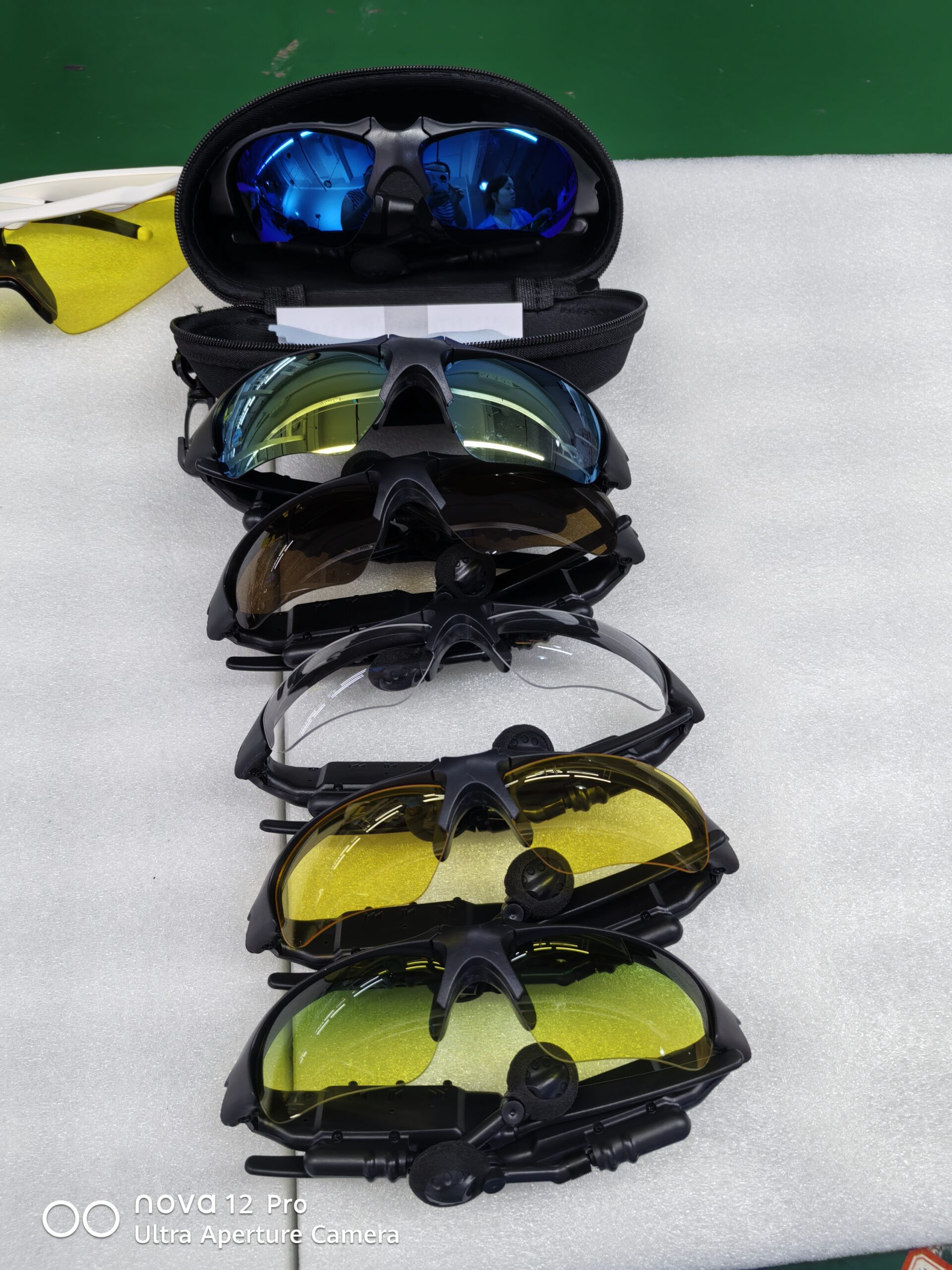
Feedback on the cycling model has been positive, and the client wants to explore an upgrade path rather than stop at one product. HuaHai has recommended two camera smart glasses models based on that interest, and samples of both are currently being shipped for the client to evaluate. The client has also continued discussing other smart glasses product lines with HuaHai and has expressed interest in a longer-term partnership.
This case is still in the market-validation and channel-expansion stage. Future order volume will be determined by how both the Cambodia and Iraq markets actually respond, not by this article. We’re not presenting 50 units as a finished success story — it’s an ongoing test, reported honestly at the stage it’s actually at.
What This Shows Other Distributors Considering Smart Glasses
This client’s path is a useful template for anyone entering the category from outside electronics: you don’t need deep technical knowledge or a large upfront order to find out whether smart glasses will sell in your market. Starting with an existing, proven product, testing it across whatever sales channels you already have, and only scaling once you have real feedback is a lower-risk way to enter than committing to a custom product or large order on day one. Our guides on starting a private label smart glasses line and what “low MOQ” actually means cover this same approach in more depth for readers earlier in that decision.
If you’re evaluating smart glasses as a new category for your existing customer base, a small first batch of a proven model is often a faster, lower-risk way to find out than committing to a custom product from the start.
Frequently Asked Questions
Can I test smart glasses in my market without a large order?
Yes. This client started with 50 units specifically to test the category before deciding on further purchasing. Starting small to validate demand is a normal, supported path, not an exception.
Do I need prior experience with smart hardware to sell smart glasses?
No. This client’s core business is apparel trading, with no prior smart hardware experience. HuaHai recommended an existing, proven product specifically because it doesn’t require the buyer to have technical expertise to sell it successfully.
Can I test the same product in more than one market at once?
Yes, as this case shows directly — the client tested the same 50-unit batch across both their Cambodia offline channels and their existing Iraq customer network at the same time, rather than ordering separately for each.
What happens after a market test like this one?
It depends on the feedback. In this case, positive results led the client to sample two additional camera smart glasses models rather than immediately placing a large reorder of the same product — the next step follows the evidence, not a fixed script.
Is HuaHai open to working with distributors outside the electronics industry?
Yes — this client’s core business is apparel, not electronics, and HuaHai worked with them from initial product selection through ongoing market feedback and follow-up sampling.
Considering a similar market test for your own customer base?