
AI Glasses Are Slowly Becoming Normal
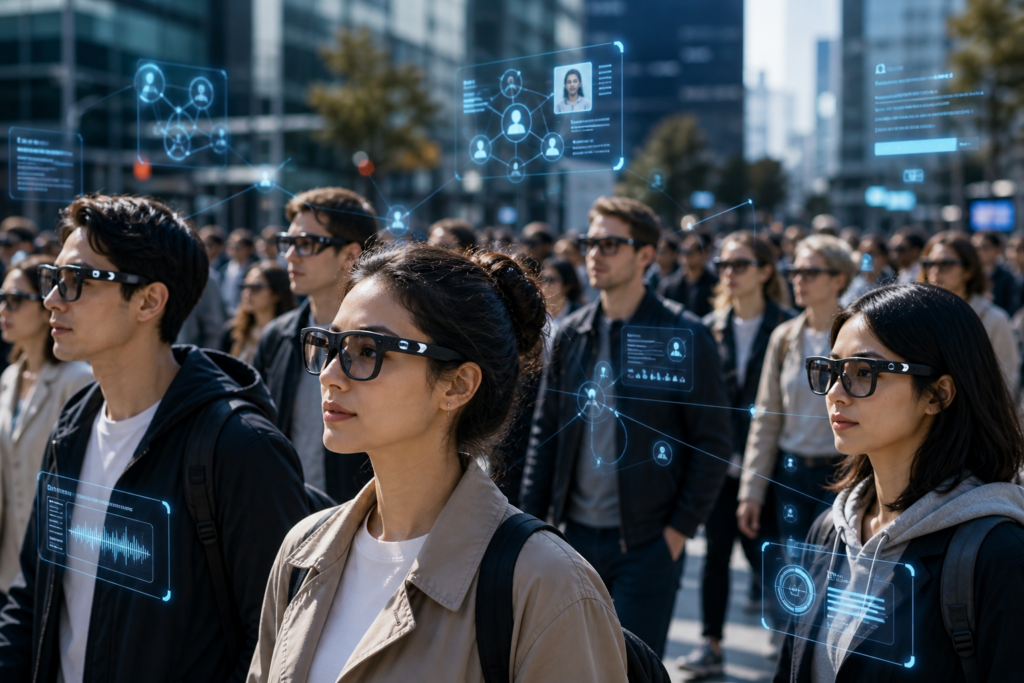
A few years ago, seeing someone wear smart glasses in public still felt unusual. Today, that feeling is starting to disappear. Meta’s Ray-Ban smart glasses are becoming more common, AI translation glasses are spreading across travel markets, and more tech companies are preparing their own wearable AI devices.
Right now, AI glasses still feel new. But what happens when they become everywhere?
What happens when almost everyone around you is wearing them?
Conversations Would Feel Completely Different
The first major change would probably be communication.
AI glasses can already translate languages in real time, summarize conversations, and provide instant information while people are talking. In the future, two strangers speaking different languages may communicate naturally without opening translation apps or touching a phone.
Meetings could also change dramatically. Instead of taking notes manually, AI glasses may automatically summarize discussions, identify speakers, and create reminders instantly.
Technology would become less visible, but more deeply connected to conversations.
Smartphones Might Matter Less
If AI glasses continue improving, people may stop checking phones every few minutes.
Instead of constantly pulling out a smartphone, users could simply ask questions naturally through voice. Directions, notifications, messages, translations, schedules, and AI assistants would appear instantly without interrupting real life.
Phones may not disappear completely, but they could slowly become background devices instead of the center of daily digital life.
Privacy Would Become a Bigger Problem
Of course, not everyone is excited about this future.
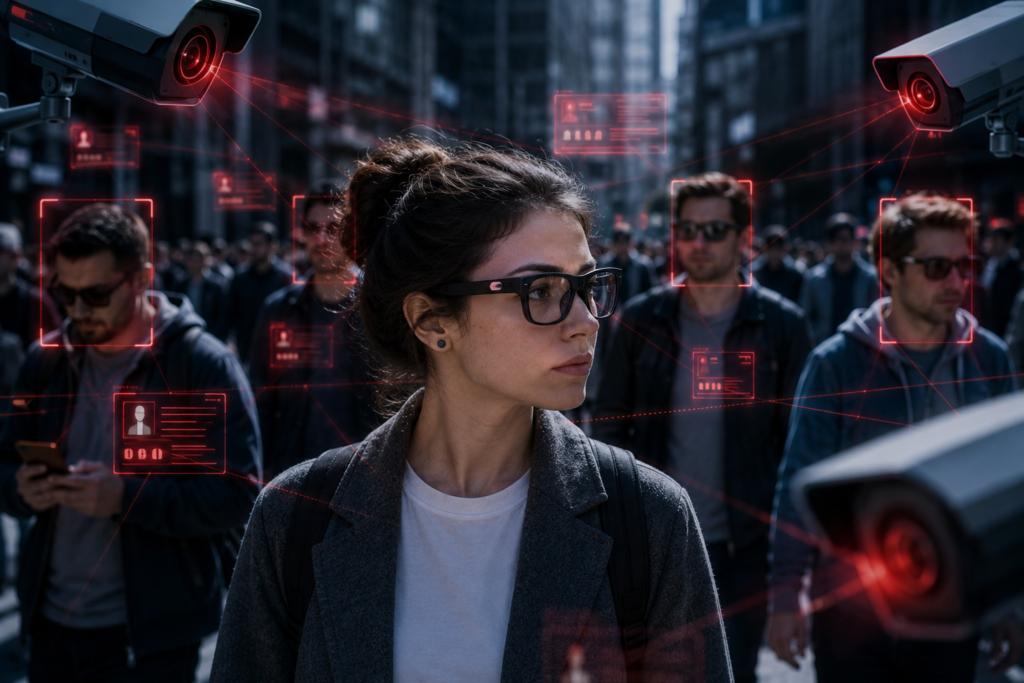
One of the biggest concerns around AI glasses is privacy. Many people already feel uncomfortable around wearable cameras because they cannot always tell whether someone is recording them.
As AI glasses become more powerful, concerns around facial recognition, hidden recording, and real-time data collection will likely grow even stronger.
Some critics already describe AI glasses as “future surveillance devices.”
Social Behavior Could Change
AI glasses may also quietly change human behavior.
People might rely less on memory because AI can remember information for them. Eye contact during conversations could feel different if users suspect AI is analyzing everything they say. Even simple social situations may become more complicated once wearable AI enters everyday life.
At the same time, younger generations may adapt surprisingly fast. Just like smartphones once felt strange, AI glasses could eventually become completely normal.
The Future May Feel More Invisible
The most interesting part about AI glasses is that they are trying to make technology disappear.
Smartphones demand attention. Screens constantly pull users away from the real world. AI glasses are moving in the opposite direction. Instead of forcing users to stop and look down, they aim to blend information directly into daily life.
That could make technology feel more natural than ever before.
Or possibly more intrusive than ever before.
Maybe both.
Final Thoughts
AI glasses are no longer just futuristic gadgets from sci-fi movies. They are quickly becoming part of the next wave of wearable AI.
If everyone around us eventually starts wearing AI glasses, daily life may become faster, smarter, and more connected. But it may also raise difficult questions about privacy, trust, and human interaction.
The technology itself is not the biggest question anymore.
The real question is whether society is ready for it.