
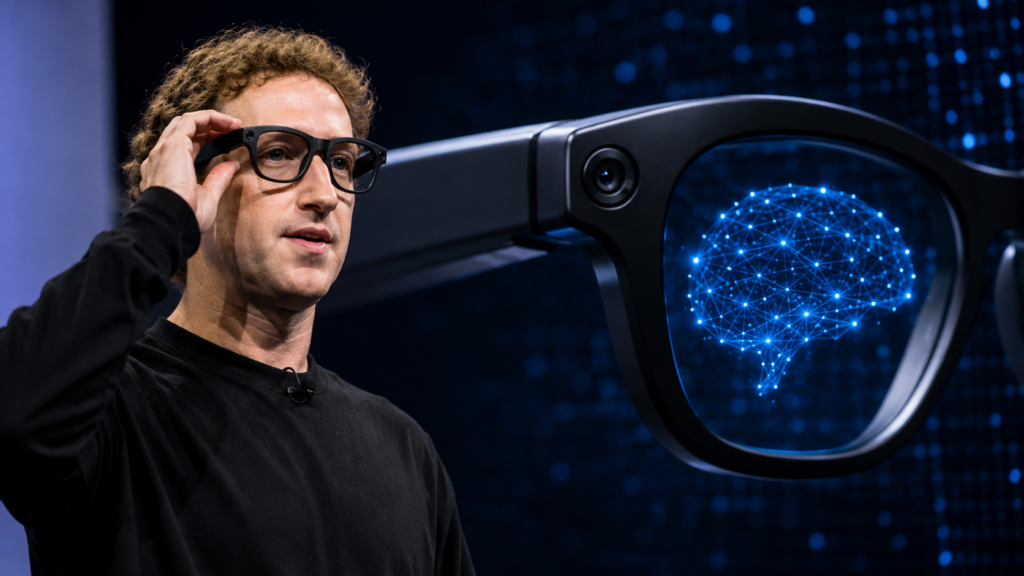
Smart Glasses Suddenly Gain Traction
Ten years ago, smart glasses were seen as awkward tech experiments. They were bulky, expensive and impractical, while smartphones already handled almost everything people needed.
Today, things are changing fast. Meta is pushing Ray-Ban smart glasses, Apple is rumored to develop AI glasses, Google is rebuilding its XR ecosystem, and Samsung has joined the race. When major tech companies all move in the same direction, it usually means the next big platform is coming.
AI: The Game Changer for Smart Glasses
AI is the main reason smart glasses are becoming popular again. Before AI, smart glasses were basically tiny screens on your face. The idea looked futuristic, but the experience felt limited.
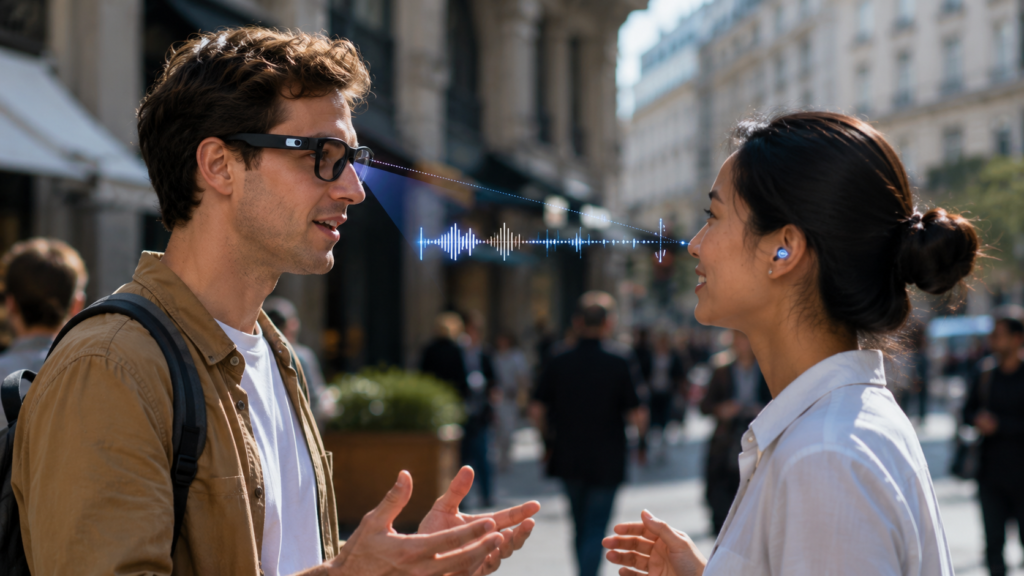
Now users can interact naturally through voice. Features like real-time translation, object recognition and AI assistance make smart glasses far more practical in daily life.
Growing Smartphone Fatigue
Although smartphones are still essential, many people are tired of constantly staring at screens. Whether eating, walking or socializing, users repeatedly look down at their phones throughout the day.
Smart glasses try to solve this problem by making interaction more natural. Instead of constantly demanding attention, they work quietly in the background and appear only when needed.
Unique Advantages of Smart Glasses
The biggest advantage of smart glasses is hands-free interaction. Whether cycling, cooking or traveling, voice control feels more natural than touching screens.
Real-time translation and built-in AI assistants also make daily communication faster and easier without switching between apps.
Existing Flaws of Smart Glasses
Smart glasses still face several major problems. Battery life remains limited because AI processing and cameras consume a lot of power.
Privacy concerns are another issue, as many people worry about hidden recording. High prices and awkward public voice interaction also slow adoption.
The Future: Coexistence, Not Replacement
Smartphones are unlikely to disappear anytime soon, but their role may slowly change. Instead of being the center of digital life, phones could become secondary devices while wearable AI handles more daily tasks.
The future may not be “no smartphones,” but rather “less smartphone dependency.”