 跳至内容
跳至内容 
The AI glasses industry is moving from a technology-driven market to a brand-driven market. A few years ago, simply offering smart glasses was enough to attract attention. Today, buyers can choose from dozens of products with similar hardware and similar features.
This shift means customization is becoming more important than ever.
For distributors, retailers, e-commerce sellers, and startup brands, the goal is no longer just to sell AI glasses. The goal is to sell AI glasses that feel unique, solve specific customer problems, and strengthen brand recognition.
Before investing in a project, it is important to understand not only what can be customized, but also which customizations actually create value.
Understanding the Different Levels of AI Glasses Customization

Not all customization projects are the same.
Some buyers simply want to add their logo and launch a product quickly. Others want exclusive designs, customized software, or market-specific features that competitors cannot easily copy.
Most AI glasses projects fall into three levels.
| Customization Level | Typical Buyer | Development Cost | Time to Market |
|---|---|---|---|
| Private Label | New Brands, Amazon Sellers | Low | Fast |
| Semi-Custom | Distributors, Retail Chains | Medium | Moderate |
| Full ODM | Established Brands, Technology Companies | High | Longer |
For most first-time buyers, private-label or semi-custom solutions provide the best balance between investment and market differentiation.
Brand Identity: The First Customization Every Buyer Should Consider
When consumers purchase a product, they rarely remember the processor, battery capacity, or Bluetooth version. They remember the brand.
That is why brand customization should always be the starting point.
A consistent brand identity can be applied across the frame, charging case, packaging, manuals, mobile application, and even startup screens. These small details help create a professional experience and build customer trust.
According to research from the Nielsen consumer insights platform, brand recognition remains one of the strongest influences on purchasing decisions across many consumer product categories.
For many businesses, investing in brand presentation generates a higher return than investing in additional hardware features.
Frame Design Can Determine Whether a Product Sells
Most consumers see the frame before they experience the technology.
A stylish design can make a product feel premium, while an outdated design can make advanced technology appear less valuable.
This is why many successful smart eyewear brands invest heavily in industrial design.
Common frame customization options include:
| Component | Customization Options |
|---|---|
| Frame Shape | Business, Casual, Sports, Sunglasses |
| Frame Material | TR90, Metal Alloy, PC |
| Frame Finish | Matte, Glossy, Metallic |
| Lens Type | Clear, Sunglasses, Photochromic |
| Color Scheme | Standard or Custom Colors |
Photochromic lenses, for example, use technology similar to traditional Photochromic Lens systems that automatically adjust to changing light conditions.
For outdoor and travel-focused products, this feature can become a major selling point.
Software Is Becoming More Important Than Hardware
The hardware gap between manufacturers is becoming smaller every year.
As a result, software customization is increasingly becoming the primary way brands differentiate themselves.
Many AI glasses operate through companion mobile applications. Customizing these applications allows brands to provide a more professional and seamless user experience.
Software customization may include:
- Custom application name
- Custom logo
- Brand colors
- Startup screens
- User interface design
- Translation settings
- AI assistant integration
Companies that invest in software customization often find it easier to build long-term customer loyalty because users interact with the software every day.
AI Features Can Be Tailored to Different Markets
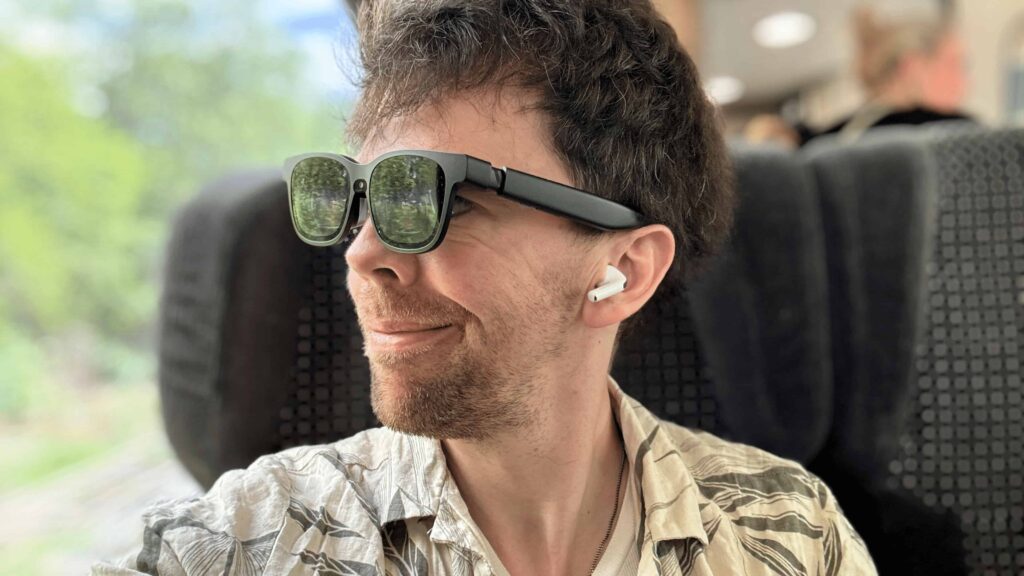
Not every customer uses AI glasses for the same purpose.
A distributor selling to international travelers may prioritize real-time translation. A retailer targeting students may focus on note-taking and voice interaction. A technology brand may emphasize access to a Large Language Model.
Understanding customer behavior is critical before selecting AI functions.
| Market Segment | Recommended AI Features |
|---|---|
| Travel | Real-Time Translation |
| Business | Meeting Assistance |
| Education | Voice Notes & Translation |
| Outdoor | Voice Commands |
| General Consumer | AI Assistant |
The rapid development of Natural Language Processing and Speech Recognition technologies continues to expand the capabilities of AI glasses each year.
Translation Features Are One of the Most Requested Customizations
Translation glasses are currently one of the fastest-growing categories in the smart eyewear market.
Businesses targeting international users often request customized language support, regional translation optimization, and branded translation interfaces.
Popular language combinations vary by market.
| Target Region | Common Language Requirements |
|---|---|
| North America | English, Spanish |
| Europe | English, German, French |
| Southeast Asia | English, Thai, Vietnamese |
| Middle East | English, Arabic |
| Latin America | Spanish, Portuguese |
Selecting the right language package can significantly improve user satisfaction and product adoption.
Camera Features Require Market-Specific Planning
Camera smart glasses continue to gain popularity among travelers, content creators, and outdoor enthusiasts.
However, camera customization should be approached carefully.
Different countries have different privacy regulations regarding wearable cameras. Buyers should always verify local requirements before launching camera-enabled products.
Customization options may include video resolution, storage capacity, image stabilization, recording modes, and companion app functions.
As platforms such as YouTube, TikTok, and Instagram continue to drive demand for first-person content, camera glasses remain one of the most promising smart eyewear categories.
Packaging Can Increase Perceived Value
Packaging is often one of the most affordable forms of customization.
A premium box design can significantly improve customer perception without changing the product itself.
Custom packaging typically includes:
- Retail boxes
- User manuals
- Warranty cards
- Charging accessories
- Product inserts
- QR code setup guides
According to studies from the Packaging Digest industry resource, consumers often associate higher-quality packaging with higher-quality products.
For online sellers, packaging can directly influence customer reviews and repeat purchases.
Should You Choose Private Label or Full ODM?
This is one of the most common questions buyers ask.
Private-label projects are usually the best option for businesses entering the market. They require less investment and allow products to launch quickly.
Full ODM development is generally better suited for established brands that need exclusive designs, proprietary software, or unique market positioning.
For many businesses, the most effective approach is to start with private-label products and gradually move toward deeper customization as sales grow.
Why Work with a Specialized AI Glasses Manufacturer?
Many well-known brands such as Rokid, XREAL, and RayNeo primarily focus on developing and selling their own branded products.
Businesses looking to build their own smart glasses brand often benefit more from working directly with an OEM or ODM manufacturer.
At Huahai Future Smart Glasses, we help distributors, retailers, e-commerce sellers, and startups customize AI glasses based on their specific market requirements. Our services cover hardware selection, frame customization, software branding, packaging design, translation solutions, and large-scale manufacturing support.
Rather than offering a one-size-fits-all product, we help businesses create products that align with their customers, sales channels, and brand positioning.
Final Thoughts
Successful AI glasses customization is not about adding every possible feature. It is about choosing the right features for the right audience.
The most successful brands understand their customers first and customize their products second.
Whether you focus on translation, audio, cameras, or AI assistants, the goal should always be the same: create a product that solves real problems, strengthens your brand, and delivers a better experience than generic alternatives.
As technologies such as Smartglasses, Computer Vision, Artificial Intelligence, and Augmented Reality continue to evolve, customization will become one of the most important factors separating successful brands from the rest of the market.