 跳至内容
跳至内容 
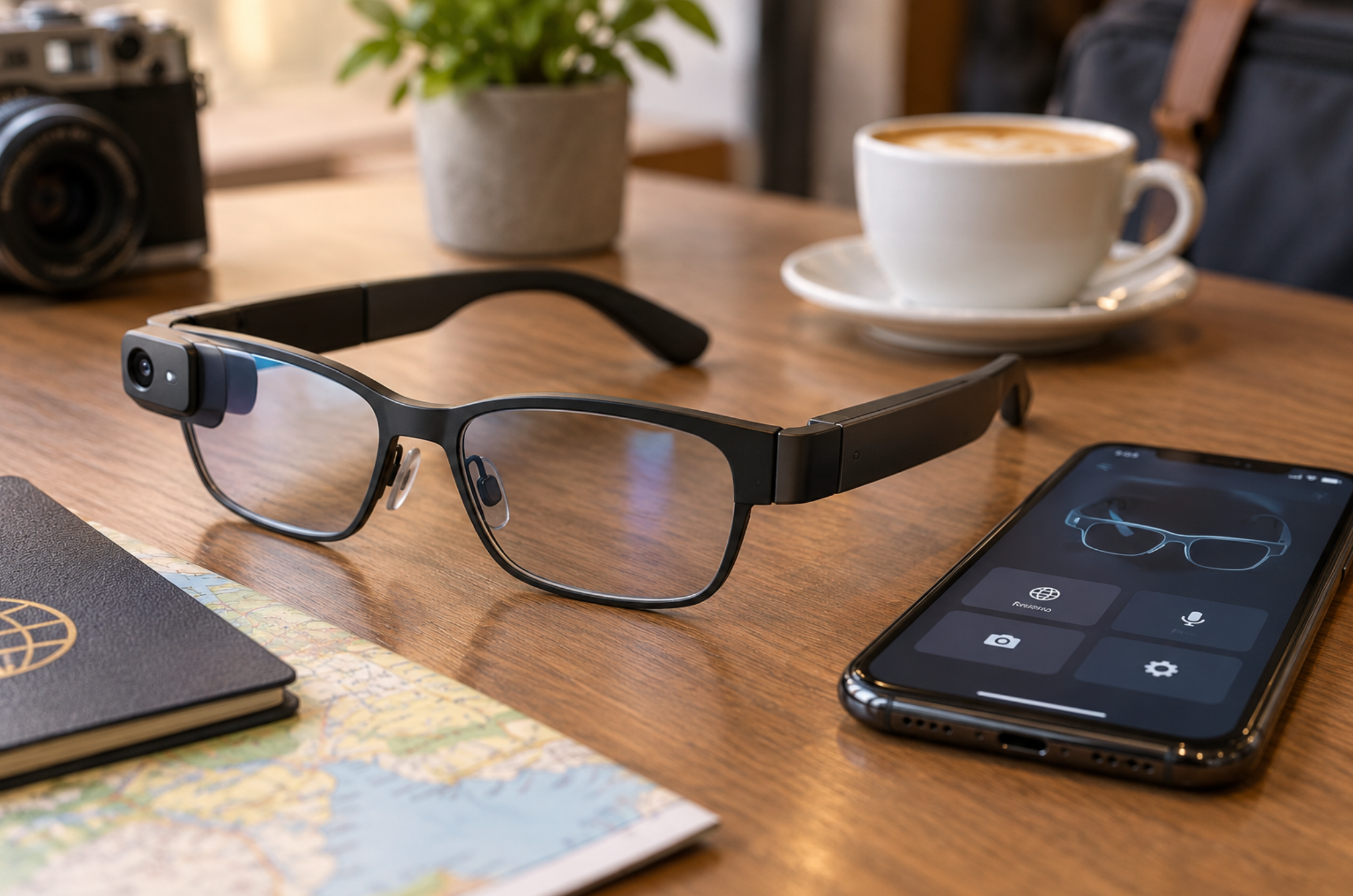
AI smart glasses attract more myths than most gadgets, mostly because the category jumped from “sci-fi idea” to “7 million sold” in about two years. Here are the five you’ll hear most, checked against real data.
Quick Answer
The biggest myths don’t hold up: AI glasses aren’t secretly recording by default, they’re not a fringe gimmick (sales tripled in 2025), and prices are dropping fast. The one myth with real truth behind it is battery life: marketed numbers are optimistic.
Key Takeaways
- Camera glasses have visible recording indicators, and audio-only models have no camera at all.
- 7 million AI glasses sold in 2025, more than triple 2024, so “nobody actually uses these” doesn’t hold up.
- Marketed battery life is a best-case number; real-world use is meaningfully shorter under active use.
- Average prices are falling, not rising, as the category scales.
Myth 1: They’re Always Secretly Recording You
MythAnyone wearing AI glasses could be filming you right now without you knowing.
RealityCamera-equipped models have a visible recording LED by design, and audio-only AI glasses have no camera at all. The concern isn’t baseless (there have been real incidents of misuse), which is why Apple is reportedly building camera-free, on-device AI glasses specifically to sidestep the issue (MacRumors). But “always recording” isn’t how any current model works by default.
Myth 2: They’re Just a Gimmick Nobody Actually Uses
MythAI glasses are a novelty that will fade like 3D TVs.
RealityMeta and EssilorLuxottica sold 7 million Ray-Ban smart glasses in 2025, more than triple 2024’s sales (UploadVR). The wider category grew 139% year-over-year in the second half of 2025 and is the fastest-growing wearable form factor for 2026 (Counterpoint Research).
Myth 3: The Battery Lasts All Day, Like the Box Says
MythIf the spec sheet says 8 hours, you’ll get 8 hours of real use.
RealityThis is the one myth with real substance. Independent hands-on testing measured roughly 5 hours under active audio use on a model marketed at up to 8 hours, with active photo or video capture draining the battery even faster (Android Central). Treat the marketed number as a best case, not a guarantee. Full breakdown: AI Glasses Battery Life guide.
Myth 4: They’re Only for Rich Tech Enthusiasts
MythAI glasses are an expensive luxury gadget.
RealityPrices are falling as the category scales. Industry tracking projects the average smart glasses price dropping from around $376 today to roughly $229 by 2030 as components get cheaper (IDC). Entry-level audio-only models already sit well under premium camera flagships.
Myth 5: Translation Glasses Are Basically Perfect Now
MythAI translation glasses understand any language flawlessly.
RealityThis myth cuts the other way; some marketing overclaims. Review sites advertise 85 to 95 percent accuracy across 60 or more languages, but those figures come from the vendors themselves, not independent testing. Translation glasses are genuinely useful for travel now, but “flawless” is marketing language, not a verified benchmark. See our AI translation glasses guide for what to actually expect.
Skip the marketing copy and compare real spec sheets, battery data, and certification documents directly with our team before you buy or source in bulk.
Want the honest pros and cons beyond these five myths?